Brisbane 2032 “Games laws”: what’s changing for cultural heritage approvals in Queensland
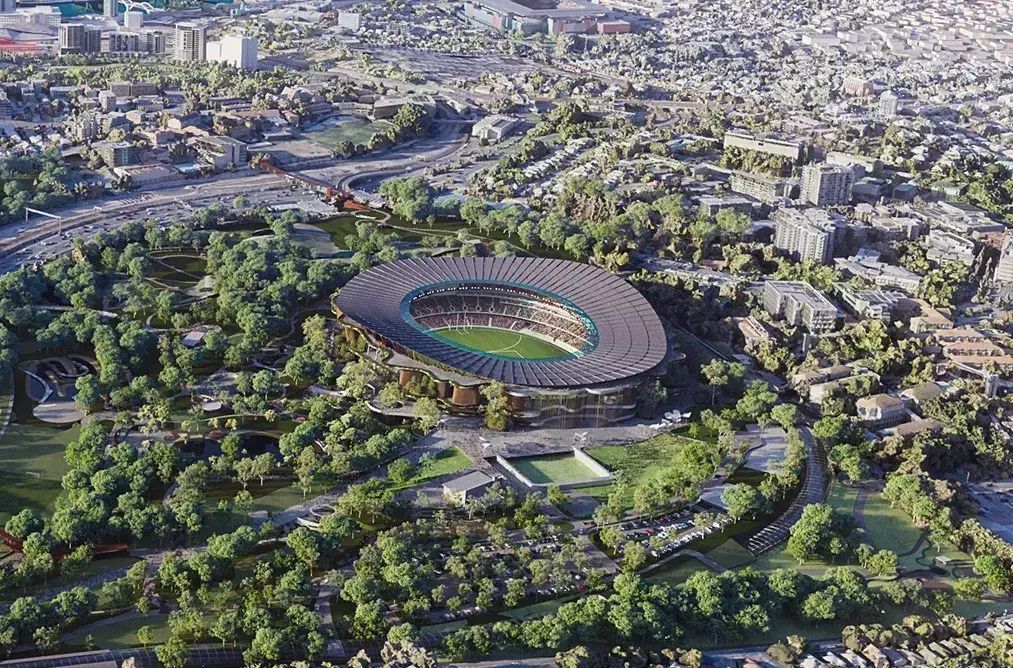
As planning accelerates for the Brisbane 2032 Olympic and Paralympic Games, the Queensland Government has introduced a Games-specific approvals framework that changes how cultural heritage is managed for certain Games-related projects.
Recent amendments to the Brisbane Olympic and Paralympic Games Arrangements Act 2021 (BOPGA Act), introduced through the so-called “Games laws”, establish an alternative pathway for cultural heritage approvals for a limited class of Brisbane 2032 infrastructure.
This article outlines what is changing, which projects are affected, and what this means for proponents, project teams and heritage practitioners.
A new approvals regime for Brisbane 2032 venues and transport infrastructure
The Planning (Social Impact and Community Benefit) and Other Legislation Amendment Act 2025 amends the BOPGA Act to create a tailored approvals framework for certain Brisbane 2032 venues, villages and transport infrastructure, referred to as “authority venues” and project areas.
For these defined Games projects, cultural heritage is managed through a Games-specific process, rather than relying solely on the usual interaction between:
- the Planning Act 2016
- the Queensland Heritage Act 1992
- the Aboriginal Cultural Heritage Act 2003, and
- other relevant State and local laws
Under the Games laws, approvals are centralised within Games delivery entities, including the Games Independent Infrastructure and Coordination Authority (GIICA), and aligned to the strict timeframes required for Games delivery.
How the Games-specific cultural heritage process works
A key feature of the Games laws is the introduction of a formal “cultural heritage notice”.
Once a cultural heritage notice is given for a qualifying Brisbane 2032 project:
- the project transitions into the BOPGA Act approval pathway
- cultural heritage matters are assessed under the Games-specific regime
- decisions are made by designated Games authorities rather than through standard approval pathways
This process is designed to streamline approvals for Games infrastructure, while still requiring heritage considerations to be addressed.
What the Brisbane 2032 Games laws do – and do not – apply to
It is critical to understand that this regime is narrowly targeted.
The Games-specific cultural heritage framework applies only to projects that are:
- expressly identified as Brisbane 2032 authority venues, villages or Games transport infrastructure, and
- regulated under the BOPGA Act
For these projects, compliance with the Games laws can, in certain circumstances, authorise works despite potential inconsistencies with other legislation, provided all Games-specific requirements are met.
However, most projects in Queensland are not affected.
For non-Games projects – including the majority of council works, private developments and regional infrastructure – existing heritage frameworks continue to apply in full, including:
- the Aboriginal Cultural Heritage Act 2003, including Duty of Care and Cultural Heritage Management Plan (CHMP) requirements
- the Queensland Heritage Act 1992
- local planning-scheme heritage overlays and local heritage registers
Practical implications for project teams and proponents
For organisations involved in infrastructure delivery, the key questions are:
- Is the project a Brisbane 2032 authority venue, village or Games transport project?
- If not, standard cultural heritage obligations apply.
- If it is a Games project, which provisions of the BOPGA Act apply?
- This includes understanding the role of the cultural heritage notice, decision-makers, and project-specific timeframes.
Early identification of the correct approvals regime is critical to avoiding delays, compliance risks and stakeholder issues.
How Redleaf is supporting Brisbane 2032 cultural heritage compliance?
Redleaf is closely monitoring the evolution of the Brisbane 2032 Games laws and approvals framework.
Where clients become involved in Games-related infrastructure, we can:
- determine whether the Games-specific or standard heritage regime applies
- design heritage methodologies that meet BOPGA Act requirements
- support robust engagement with Traditional Owners and key stakeholders, even within accelerated delivery timeframes
If you would like advice on how the Brisbane 2032 Games laws affect your project, please contact our team.