Walking the Line: Why Cultural Heritage Surveys Along Linear Corridors Require More Than a Standard Survey
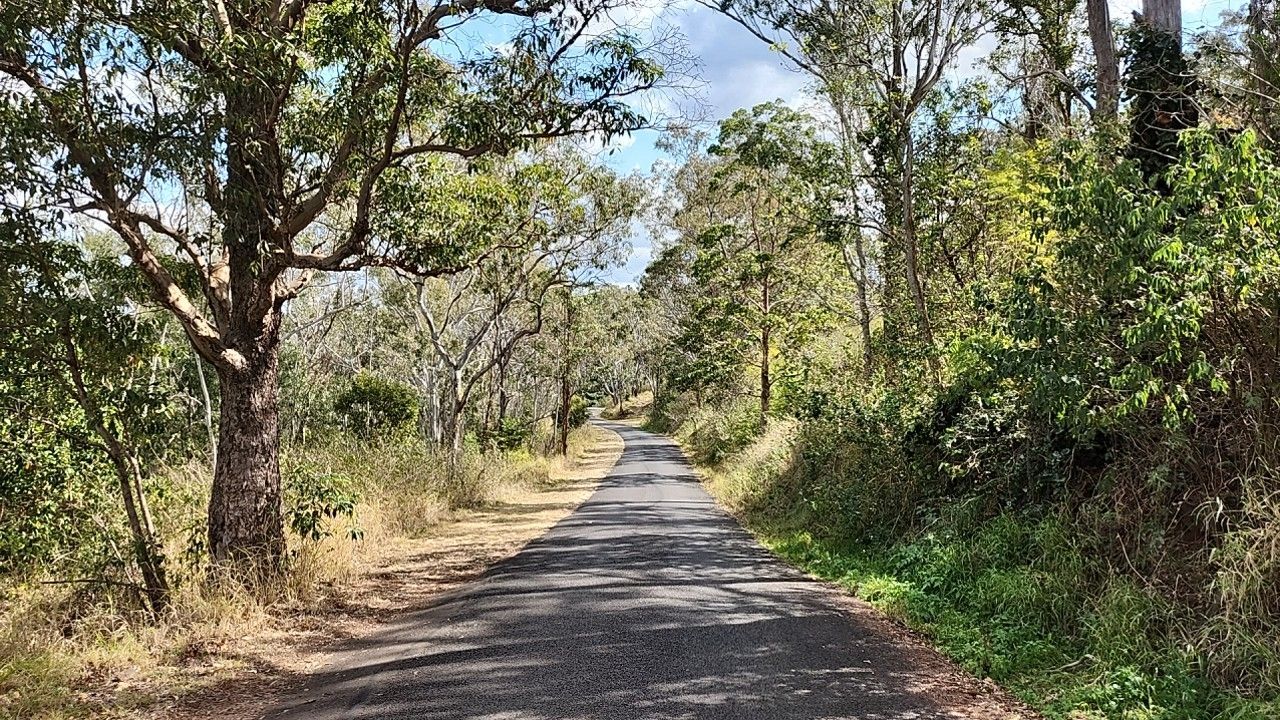
When planning a pipeline, transmission line, road, rail corridor or other linear infrastructure project, cultural heritage surveys present a unique challenge.
Unlike a single development site, linear corridors can extend for tens or even hundreds of kilometres, crossing multiple land tenures, varying landscapes and numerous Traditional Owner groups. Successfully delivering these surveys requires careful planning, strong partnerships and consistent field methodologies to ensure heritage values are identified while keeping projects moving.
Every Corridor Tells a Different Story
Most people picture an archaeological survey as a block of land walked in neat transects.
Linear corridor surveys rarely work that way.
A corridor may only be narrow, but it often stretches across dozens of separately owned properties, each with different access arrangements, vegetation, land use and ground conditions. One section may be cleared grazing land, while the next is dense regrowth or heavily disturbed by previous infrastructure.
No two kilometres are ever quite the same.
Success Starts Before Fieldwork Begins
Much of the work happens long before anyone sets foot on site.
Survey sections are carefully planned according to complexity and project risk. Access agreements need to be coordinated with multiple landholders, while logistics must account for weather, vegetation, travel distances and changing site conditions.
Large infrastructure projects often require several field teams working simultaneously. Keeping everyone aligned requires detailed planning, daily communication and clear reporting so that issues are identified early, when they are easier - and far less costly - to resolve.
Consistency Creates Reliable Data
One of the biggest challenges with large corridor surveys is ensuring every team collects information in exactly the same way.
Digital field recording allows heritage values to be captured consistently using GPS coordinates, photographs and standardised descriptions. This creates a single, reliable dataset that can be confidently used throughout the project lifecycle.
Equally important is ensuring culturally restricted information is managed appropriately. Survey systems are prepared before fieldwork begins so observations remain within approved recording protocols while respecting cultural sensitivities.
Working Together with Traditional Owners
The most valuable part of any cultural heritage survey is the partnership with Traditional Owners.
Working alongside Traditional Owner organisations, with Traditional Owner field officers participating in field teams and knowledge holders guiding interpretation, creates a far richer understanding of Country than archaeological evidence alone can provide.
Artefact scatters, scarred trees and stone arrangements are important, but they represent only part of a landscape's cultural significance. Stories, connections and cultural knowledge provide the broader context that allows heritage values to be properly understood and respected.
Strong relationships, agreed protocols and collaboration from the beginning help deliver better outcomes for everyone involved.
Discipline Keeps Projects Moving
Successful cultural heritage surveys rely on consistent processes rather than shortcuts.
Accurate daily reporting, transparent communication, quality spatial data and clearly defined project scopes help minimise risk, support compliance and provide confidence for project teams.
While much of this work happens behind the scenes, it plays a critical role in protecting cultural heritage while enabling infrastructure projects to progress responsibly.
How Redleaf Group Can Help
Redleaf Group works with clients across Queensland and New South Wales to deliver cultural heritage surveys for linear infrastructure and development projects.
Our experienced heritage team works collaboratively with Traditional Owner organisations, project stakeholders and landholders to provide practical, compliant and efficient heritage advice that helps projects navigate approvals, reduce risk and move forward with confidence.
Whether you're planning a transmission line, pipeline, transport corridor or other infrastructure project, our team can help you understand your cultural heritage obligations from planning through to delivery.
Planning a linear infrastructure project?
Talk to Redleaf Group's Heritage team about cultural heritage surveys that help protect heritage values while keeping your project moving with confidence.