Redleaf Group Heritage News

Read the latest news and info from Redleaf Group Heritage

June 30, 2026
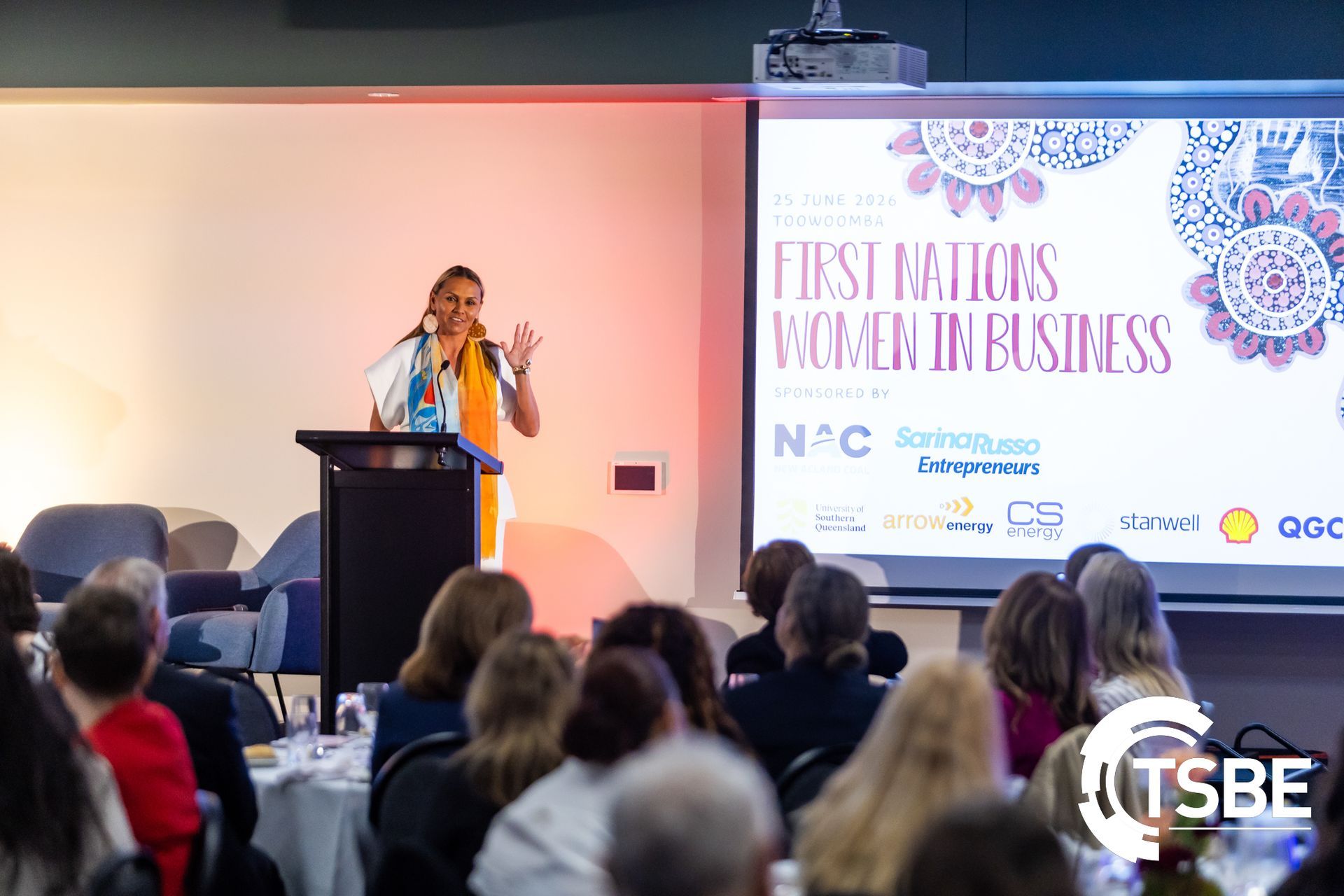
Redleaf Group Heritage attended the 2026 TSBE First Nations Women in Business event, celebrating Indigenous leadership and strengthening community partnerships.

June 1, 2026
Need urgent environmental, heritage or project advisory support before EOFY? Redleaf Group’s senior-led team is ready to help reduce risk, simplify approvals and keep projects moving.

May 29, 2026
Queensland’s Brisbane 2032 Games laws introduce a new approvals pathway for certain Olympic infrastructure projects. Learn how the changes affect cultural heritage compliance, CHMPs and project delivery.

April 12, 2026
Redleaf Group is reducing textile waste by recycling retired staff uniforms through a service offered by Macpac and UPPAREL, as part of our broader office recycling program.
Ronan Duffy
April 7, 2026
Ronan Duffy Archaeologist and Heritage Consultant
March 29, 2026
Redleaf Group Heritage shares key insights from Queensland’s heritage consultation workshops, exploring proposed reforms, community engagement, and future strategy directions.
March 25, 2026
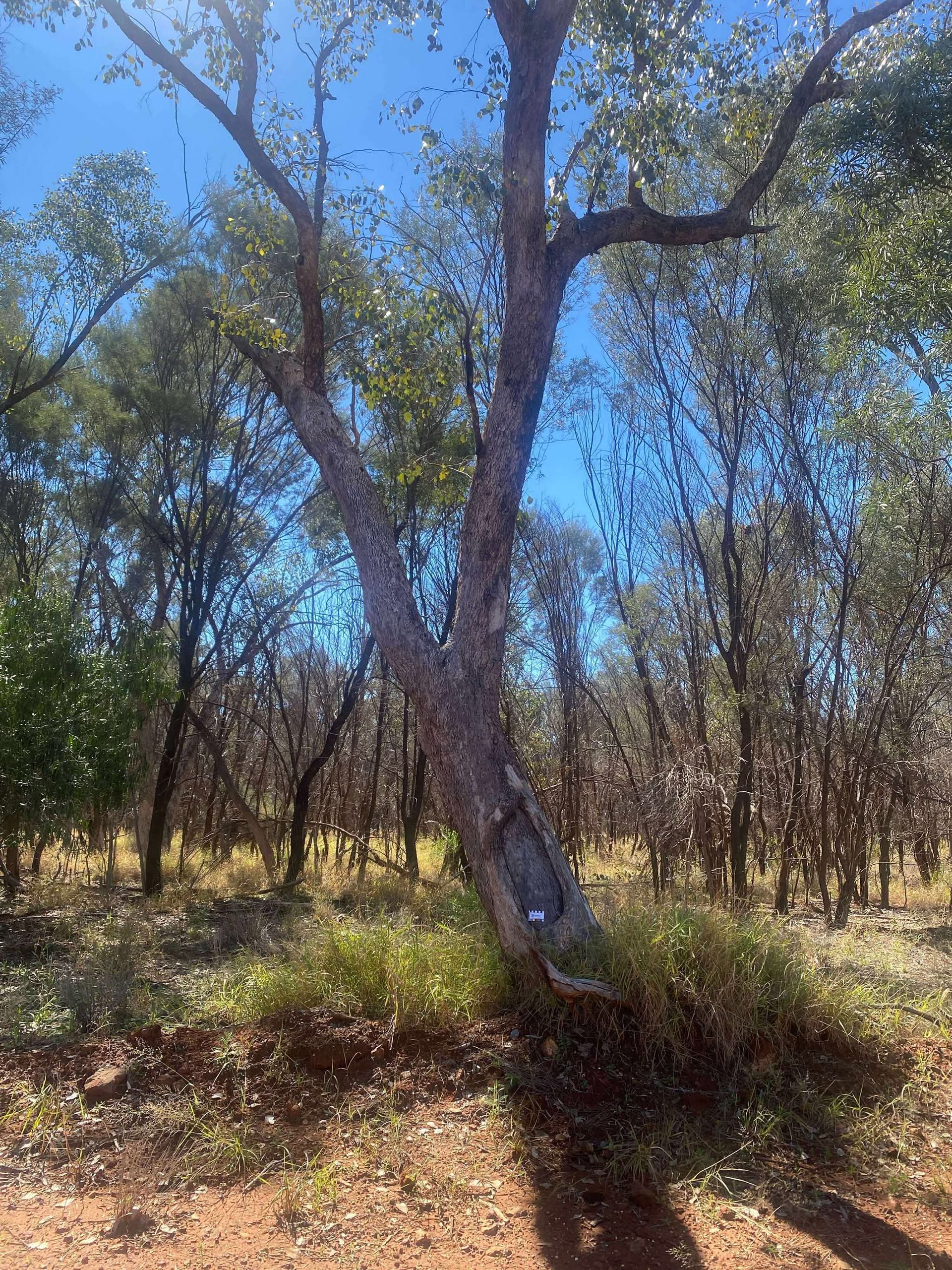
Learn what scar trees are, how to tell Aboriginal and European scars apart, and how bark regrowth can help estimate their age.
Blaze tree with markings
January 27, 2026
Did you know? Not all scarred trees are of Aboriginal cultural origin. Some, like the ones in these photos, were “blazed” by early European settlers, explorers, or surveyors to mark trails, boundaries, land parcels and even watercourses.  These scars were often made using iron/steel axes, and the cut marks of these tools alongside visible traces of white paint are typical indicators of a European origin. They were used as surveyor’s marks before being replaced by the permanent survey markers that form the basis of today’s cadastral maps. You might be wondering: How do our expert archaeologists identify these blaze trees? These trees are identified by: Iron axe cut marks Remnants of white surveyor’s paint Placement on fence lines, lot corners, or boundary points Scarred trees, including these blazes, are all part of the multi-layered history written, or in this case - cut into our landscapes.
Beach sunset
January 27, 2026
At Redleaf Group, our heritage work is guided by a deep respect for Country and a commitment to meaningful connection with Traditional Owners. This year, we partnered with GHD and Brisbane City Council on a cultural heritage assessment at Nudgee Beach , working closely with the Turrbal People , the Traditional Owners of the area. Collaboration with Purpose Our Heritage Team walked Country with the Turrbal People, listening to their knowledge and cultural stories that shape the significance of this landscape. While no physical artefacts were found, the process reaffirmed the site’s cultural importance and the enduring relationship between people and place. Embedding Cultural Values in Project Delivery Redleaf provided practical recommendations to ensure the project continues respectfully, including: On-Country cultural heritage monitoring Cultural heritage inductions for project teams Opportunities for signage and interpretation of local cultural stories Walking Forward Together With this phase complete, the project progresses with a shared understanding of Country and its cultural values. Redleaf is proud to support work that brings people and Country together—and we remain committed to culturally grounded, collaborative heritage practice.
Show More