Did You Know?
You can estimate the age of a tree scar just by looking at how thick the regrowth is.
What is a scar tree?
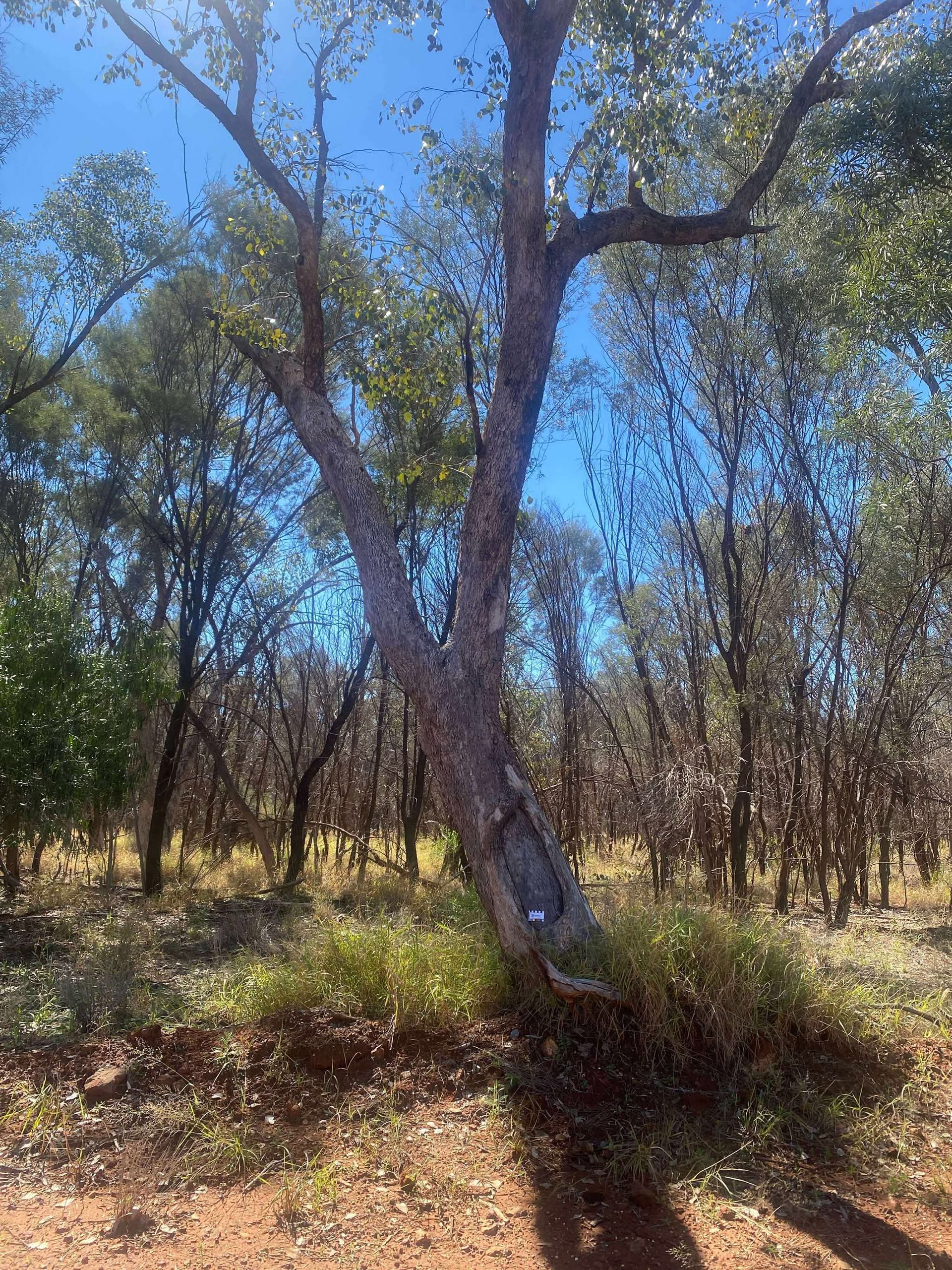
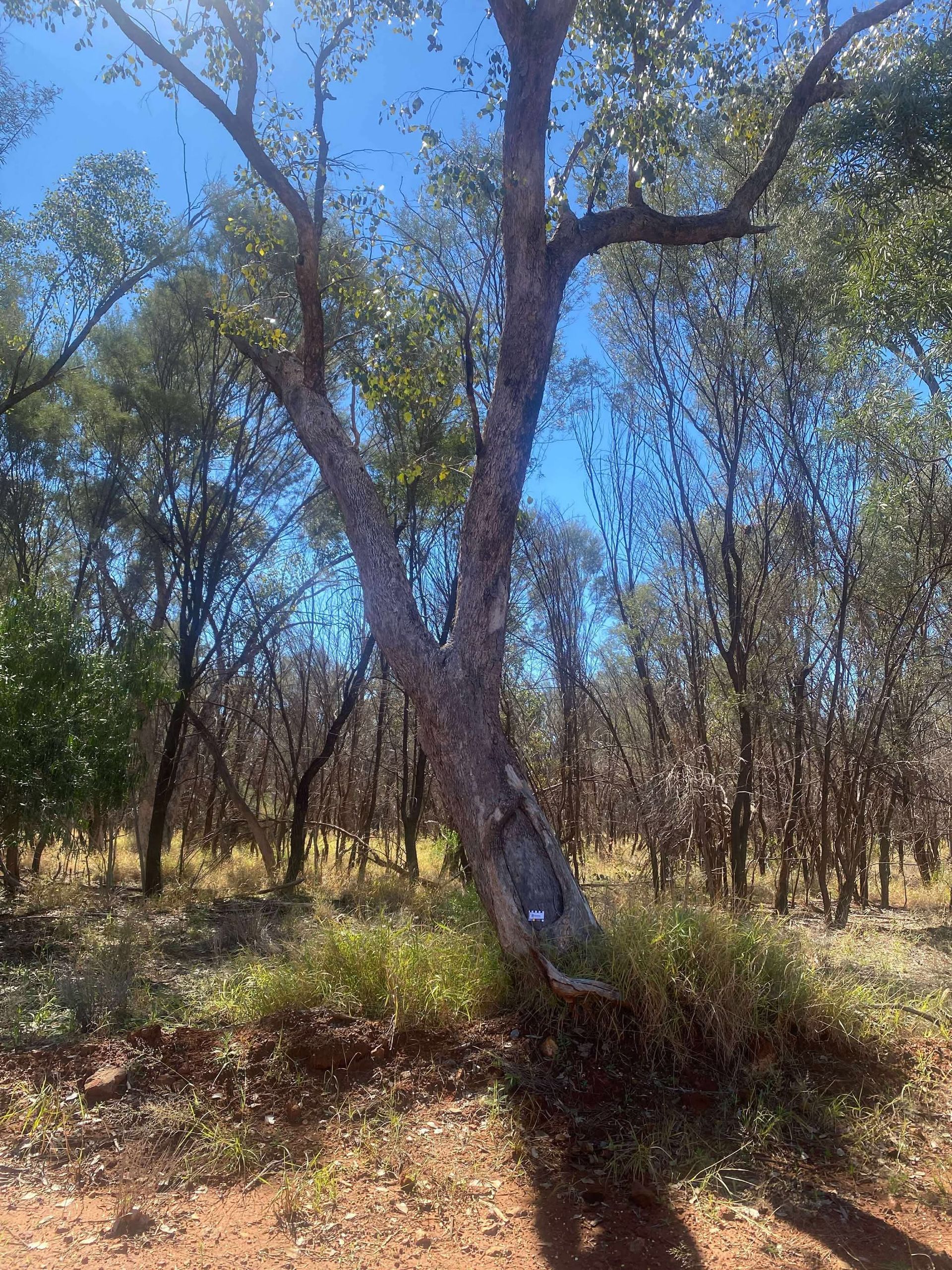
A scar tree is a tree that has had its bark intentionally removed, either by Aboriginal people or by European settlers. These scars were created for a variety of purposes.
For Aboriginal people, scar trees were used to make canoes, containers, and toe holds for climbing, as well as extraction holes for hunting. These trees are culturally significant and provide important insights into traditional practices.
European scar trees, often referred to as Survey or Blaze Markers, were typically used for navigation and land marking. They can usually be identified by metal axe marks and engraved numbers or letters on the exposed surface, known as the ‘dry face’.
Natural and accidental scars
Not all tree scars are cultural. Scars can also form due to natural causes such as fire, animal activity, or impact damage.
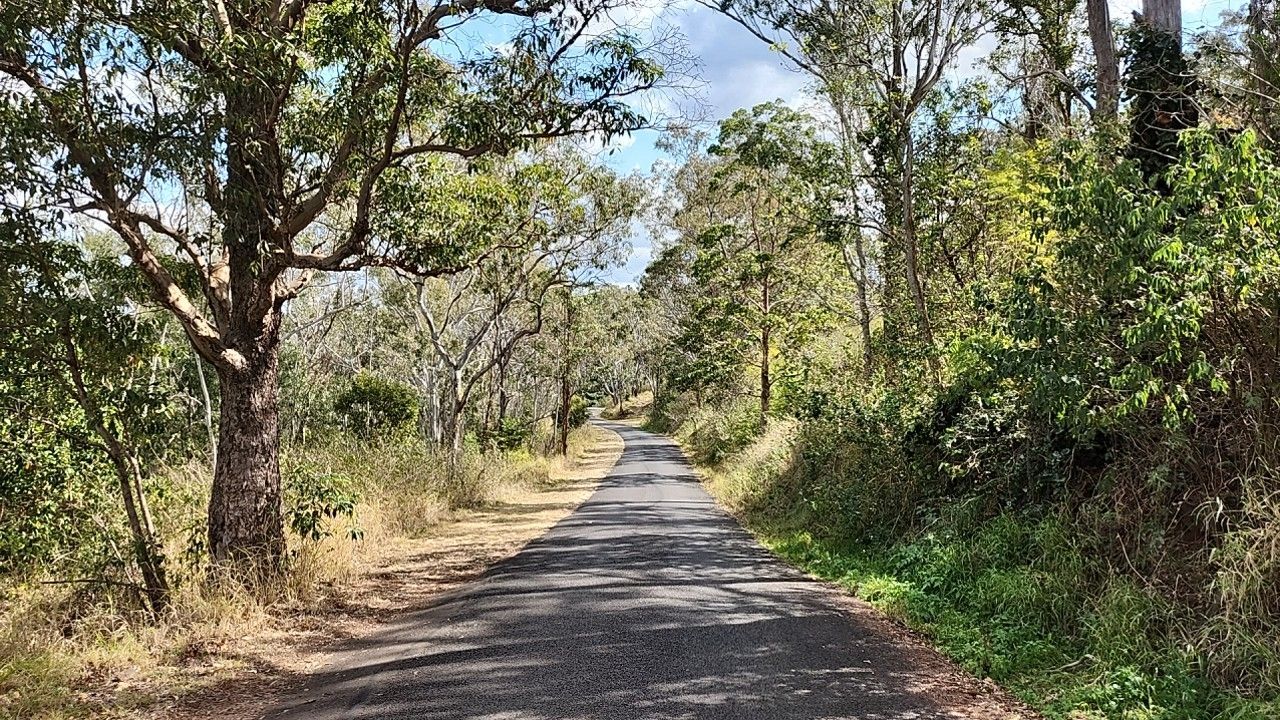
Natural and impact scars are often irregular in shape and usually extend all the way to the base of the tree. They are commonly found near roads or tracks and can reach several metres above ground level.
How are Aboriginal scar trees made?
Aboriginal scar trees were carefully created using stone tools to remove bark in a controlled and purposeful way. They are commonly found on species such as gum, ironbark, and poplar box trees.
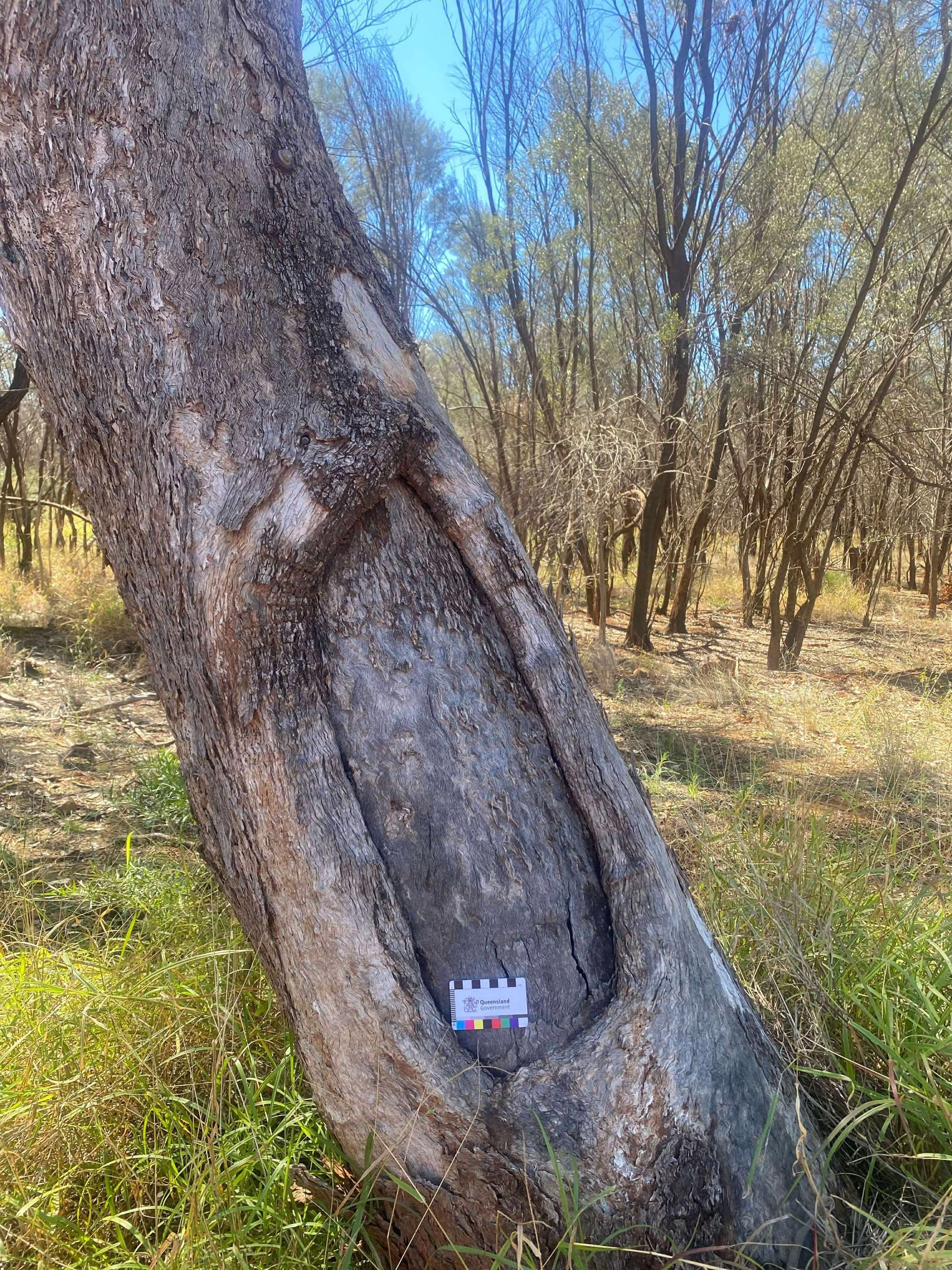
The removed section reveals what is known as the ‘dry face’, an area where the tree no longer regrows bark. These scars are typically regular in shape, often with smooth edges and rounded or pointed ends.
As the tree continues to grow, new bark forms around the edges of the scar rather than over it. This regrowth provides a useful indicator of age—the thicker the regrowth, the older the scar.
These trees are an important part of Australia’s cultural landscape. Aboriginal scar trees, in particular, should be treated with respect and preserved, as they represent enduring connections to Country and traditional knowledge.