Delivering a Fresh Start for Queensland’s Heritage: What It Means for the Sector

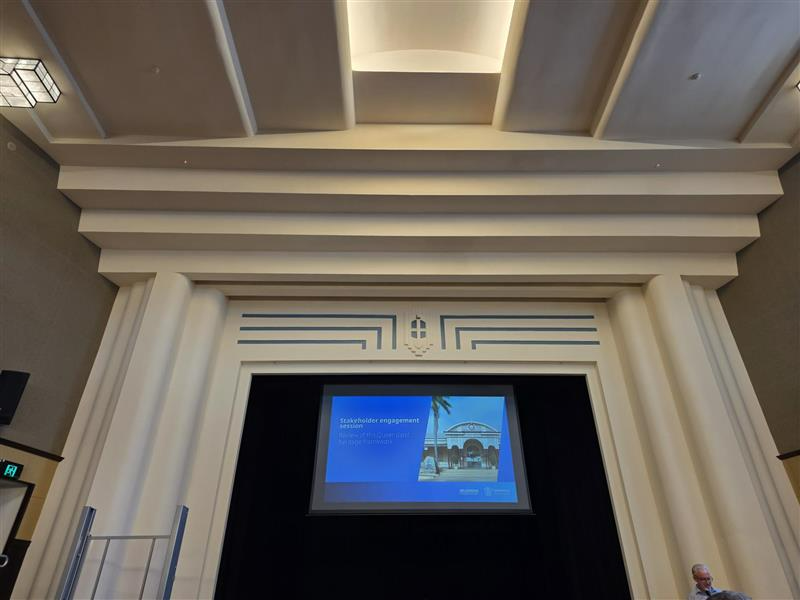
The Department of the Environment, Tourism, Science and Innovation has commenced statewide consultation workshops as part of its discussion paper, Delivering a Fresh Start for Queensland’s Heritage. These sessions mark an important step toward shaping a new Queensland Heritage Strategy and potential amendments to the Queensland Heritage Act 1992.
Redleaf Group Heritage attended a recent workshop, with team members Peta, Ronan and Jay contributing industry insights and practical perspectives to the discussion.
A New Direction for Queensland’s Heritage Strategy
A central focus of the workshop was how a revised heritage strategy could better enable communities to identify, recognise and protect places of cultural significance.
A key proposal is the adoption of more thematic, statewide approaches to heritage identification. This would allow for:
- More strategic nominations based on shared historical themes
- Improved representation of diverse Queensland stories
- Identification of underrepresented place types
This approach aims to move beyond isolated nominations toward a more cohesive and inclusive understanding of heritage across the state.
Simplifying Heritage Nomination Pathways
Participants also explored ways to make the heritage nomination process more accessible and transparent.
Key areas for improvement included:
- Streamlining nomination processes
- Providing clearer guidance for applicants
- Encouraging proactive, community-led nominations
There was strong support for reducing complexity and making it easier for communities to engage with heritage protections.
Addressing Gaps in the Queensland Heritage Register
Another important theme was the need to address gaps in the current Queensland Heritage Register.
Workshop discussions highlighted that:
- Some stories and communities remain underrepresented
- Certain place types have been historically overlooked
- A more strategic framework is needed to ensure balanced representation
Expanding the register through thematic studies and targeted nominations was seen as a critical step forward.
Changing the Narrative: “Heritage as the Bad Guy”
One of the most consistent messages from participants was the perception of heritage regulation as a burden on property owners.
Many described heritage controls as:
- Creating uncertainty in development and maintenance
- Increasing costs for repairs and adaptive reuse
- Being imposed rather than collaborative
This perception presents a significant challenge for the sector.
Supporting Owners Through Better Guidance and Incentives
To address these concerns, workshop participants emphasised the need for a more supportive and collaborative approach.
Suggested improvements included:
- Clear, accessible guidance for property owners
- Early-stage advice to reduce uncertainty
- Financial incentives and support mechanisms
- Stronger communication about the benefits of heritage conservation
Shifting the narrative from compliance to collaboration will be essential in building trust and improving outcomes.
Redleaf’s Perspective: Practical Solutions for Real-World Challenges
At Redleaf Group Heritage, we work closely with property owners, developers and government agencies, giving us direct insight into how heritage processes function in practice.
Our contribution to the workshop focused on:
- Highlighting real-world challenges faced by owners
- Advocating for clearer, more practical processes
- Supporting balanced solutions that protect heritage while enabling sustainable use
We believe that effective heritage management requires both strong policy frameworks and practical, user-friendly implementation.
What Happens Next?
The consultation process will continue through regional workshops and stakeholder engagement, with feedback informing the development of a new Queensland Heritage Strategy and potential legislative reform.
This is a critical opportunity for industry professionals, property owners and communities to help shape the future of heritage in Queensland.
Final Thoughts
The direction outlined in these consultations signals a shift toward a more strategic, inclusive and collaborative heritage system.
If implemented effectively, these reforms have the potential to:
- Improve representation of Queensland’s diverse history
- Simplify processes for communities and owners
- Strengthen long-term heritage protection
Redleaf Group Heritage looks forward to continuing to contribute to this important conversation.
Talk to us about navigating heritage requirements with confidence.